
Brake fluid is one of the most frequently overlooked items in routine vehicle maintenance. It sits in a sealed reservoir; it degrades without obvious warning and has no wear indicators to draw attention to itself. Though, it is the working medium for the whole hydraulic braking system and when it deteriorates, the consequences range from reduced braking performance to expensive component damage.
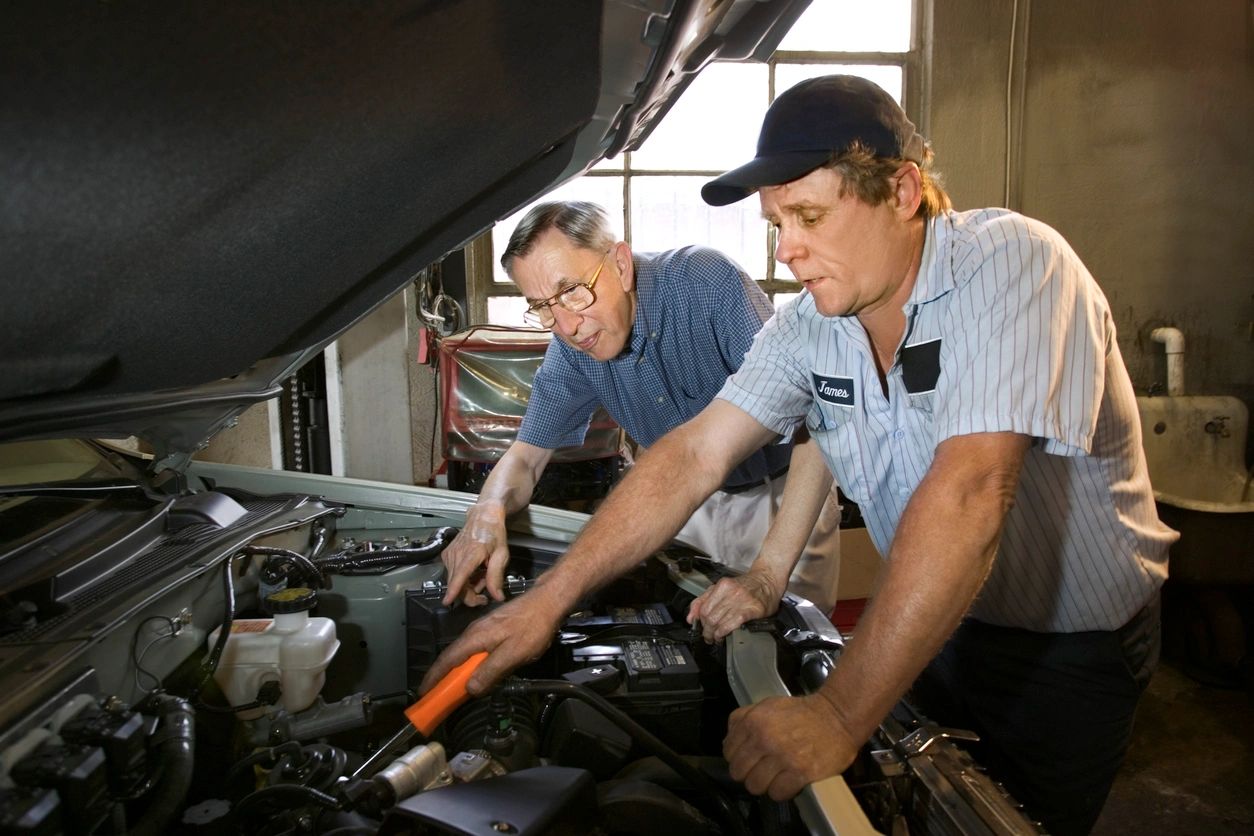
Many drivers include a brake fluid replacement as part of their regular vehicle care, trusting Dexel Tyre & Auto Centre for reliable local service. Here are seven reasons it deserves a consistent place on the maintenance schedule.
Brake Fluid Absorbs Moisture Actively
Brake fluid is hygroscopic, it constantly absorbs moisture from the atmosphere, which enters the system through hoses, seals, and the reservoir over time. There is no fault or symptom of a damaged system, this happens to every vehicle no matter how well it is maintained.
As water content increases, the fluid’s wet boiling point drops significantly. For example, DOT 4 fluid has a minimum wet boiling point of 155°C compared to a dry boiling point of 230°C. After two years of moisture absorption, the gap between the two narrows considerably.
Vapour Formation Is the Real Danger
When brake fluid reaches its boiling point, vapour bubbles are formed in the hydraulic system. Vapour, unlike liquid, is compressible which means pedal travel increases without a corresponding increase in braking force. In extreme cases, the pedal can go to the floor with little or no effect.
This is brake fade in its hydraulic form, and it is most likely to occur during exactly the conditions that demand reliable braking: sustained downhill driving, repeated heavy stops, or track use. A brake fluid replacement removes the moisture-contaminated fluid before it gets to this point.
It Protects Expensive Hydraulic Components
Contaminated brake fluid is little corrosive. Over time, moisture laden fluid degrades the internal surfaces of master cylinders, brake callipers, ABS hydraulic units, and brake lines. Corroded calliper pistons seize, seals die, and ABS pump components degrade, all at a cost far in excess of the fluid change that would have prevented it.
The corrosion process is slow and invisible, until a component fails and then the repair bill is unavoidable. Regular brake fluid replacement is the most economical way to protect components that are expensive to diagnose and replace.
Modern Safety Systems Depend on Fluid Condition
The ABS, Electronic Stability Control, and emergency brake assist all work through the hydraulic braking circuit. These systems modulate brake pressure very precisely, and that precision depends on clean, correctly specified fluid at the right pressure.
Degraded fluid impacts the consistency of hydraulic pressure delivery, which can lessen the effectiveness of these systems in the moments they are needed most. Vehicles with more advanced braking electronics are, if anything, more sensitive to the quality of the fluid than older systems without these features.
Fluid Problem Is Often a Spongy Pedal
A pedal that feels softer than usual, requires more travel, or has become progressively less responsive is a symptom that is frequently attributed to worn pads or discs. While those causes are worth checking, degraded brake fluid is a common and frequently overlooked cause.
The change in pedal character is gradual enough to be normalised over time. Drivers who have owned a car for several years on the same fluid often don’t realise how much the braking feel has changed until a brake fluid replacement brings it back to the standard it should be at.
The Two-Year Interval Exists for a Reason
Most manufacturers recommend a brake fluid replacement every two years regardless of mileage. This is not a conservative estimate, but a practical threshold for when moisture build-up becomes significant, based on how the fluid degrades in real-world conditions.
Brake fluid doesn’t appear on many service schedules’ checklists, and even when it is changed, it often isn’t recorded. If you are unsure when it was last changed a quick test for moisture content, which most garages can do with an electronic tester, will give you an instant reading of the condition of the fluid.
Much Cheaper Than the Cost of Repairs it Prevents
Brake fluid replacement is cheap compared to the cost of any component it saves. The fluid itself is inexpensive, the service quick and the two-year gap means it is a rare occurrence within a typical ownership period.
The contrast with repair costs is significant. A broken ABS pump, a failed master cylinder or a corroded calliper can cost many times the fluid change that would have prevented the damage. No other maintenance task in the braking system offers a comparable ratio of protection to cost, which makes brake fluid replacement one of the clearest examples of preventative maintenance that genuinely pays for itself.
Brake fluid works invisibly and degrades gradually, which is precisely why it gets overlooked. Staying on the recommended replacement schedule is the most straightforward way to protect the braking system, support modern safety electronics, and avoid the repair costs that follow from leaving it too long.
If you enjoyed this article, please consider sharing it!


